
Helping Children Cope With ADHD and Anxiety
Play therapy offers children with ADHD and anxiety a safe way to express emotions and build essential coping skills. When young minds face the dual challenges of attention difficulties and anxiety, traditional talk therapy may not always resonate. Through creative activities and guided interactions, children learn to manage symptoms while also building confidence and emotional resilience.
Children communicate most naturally through play, making this therapeutic approach an effective tool for addressing complex behavioral and emotional concerns.
Understanding the Connection Between ADHD and Anxiety

Children with ADHD often experience heightened anxiety. The constant struggle to focus and complete tasks, while meeting expectations, can create overwhelming stress. These conditions frequently coexist, with studies showing that approximately 30% of children with ADHD also have an anxiety disorder.
Impulsivity and hyperactivity associated with ADHD can trigger anxious thoughts, while anxiety can make ADHD symptoms more pronounced. Knowing about this connection helps parents and therapists develop more comprehensive treatment strategies.
How Play Therapy Helps
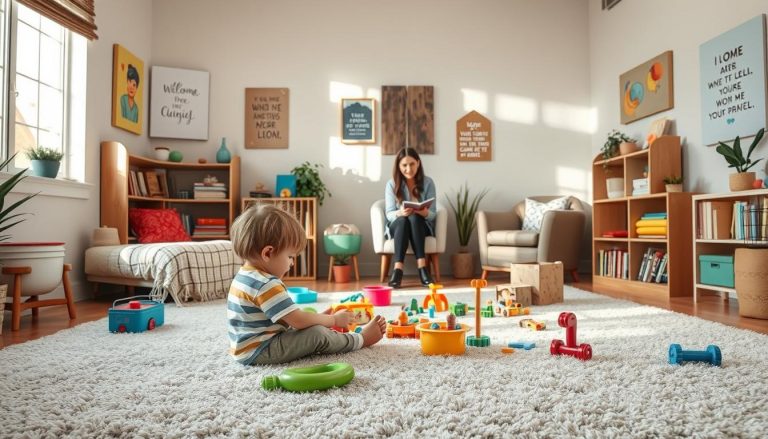
Child-focused counseling through play creates a natural environment where children feel comfortable exploring their feelings. Therapists observe patterns that emerge in children’s play behavior, gaining insights into the child’s internal struggles and strengths.
During sessions, therapists use toys, games, or art materials to help children express what words cannot capture. This hands-on approach allows them to work through challenges at their own pace, without the pressure of direct conversation.
Play therapy for young children with ADHD and anxiety teaches valuable skills through engaging activities. Children practice impulse control through rule-based games or learn emotional regulation through role-playing scenarios. This helps develop problem-solving abilities through creative challenges.
Building Self-Regulation Skills
Self-regulation is essential for managing ADHD and anxiety symptoms. Through child-focused counseling, they can discover techniques to calm their bodies and minds. Therapists might introduce breathing exercises disguised as games, movement activities that release excess energy, or sensory play that promotes focus and relaxation.
These skills translate directly to real-world situations. A child who learns deep breathing during a ‘stress balloon’ game can use the same technique before a school test. The playful context makes the learning stick, increasing the likelihood that children will remember and use these strategies when needed.
Strengthening the Parent-Child Relationship
ADHD and anxiety affect the entire family system. Parents often feel frustrated or helpless when their child struggles with these conditions. Play therapy may include family sessions where parents learn to better support their child’s emotional needs. Therapists teach parents communication techniques and behavior management strategies that help reduce household tension.
When parents participate in the therapeutic process, they gain a deeper understanding of their child’s experiences. This empathy strengthens the parent-child bond and creates a more supportive home environment. Parents also learn to recognize triggers and warning signs, enabling earlier intervention during difficult moments.
Creating Long-Term Success
The benefits of play therapy extend far beyond childhood. Children who develop strong coping mechanisms early are better equipped to handle adolescent and adult challenges. They learn that asking for help demonstrates strength, and that emotions deserve acknowledgment and respect.
Regular therapy sessions establish routines and consistency, which children with ADHD particularly need. The predictable structure of appointments provides stability, while the flexible nature of play allows for creativity and self-expression. Over time, children gradually absorb the skills they learn during therapy sessions. This allows them to become more confident and independent in managing their symptoms.
Build a Brighter Future
If your child is struggling, give us a call to learn more about how play therapy for ADHD and anxiety can help. Together, we can develop a tailored plan for your child to ensure they receive the specific support they need. Our goal is to provide caring guidance that helps you develop skills to succeed and thrive every day.
Related posts:
 How to Prepare Your Child for Counseling: A Parent’s Guide
 Should I Force My Child to Go to Therapy: Navigating Care
 What to Do If Your Child Refuses Therapy: Proven Strategies
 Why is Child Centred Practice Important: Key Benefits
 What is the Difference: Child Psychology vs. Child Development
 Best Child Therapist for Anxiety near Me: Top Picks!