
15 Treatment Approaches used in Child Counseling
Child counseling utilizes a diverse range of 15 treatment approaches, including cognitive-behavioral therapy (CBT), play therapy, and family therapy.
Child counseling incorporates various therapeutic techniques tailored to address the unique needs of children.
These approaches aim to help children manage emotions, improve behavior, and develop healthy coping mechanisms.
Techniques such as CBT focus on altering negative thought patterns, while play therapy uses play to help children express themselves.
Family therapy involves the entire family to resolve issues collectively.
Each method is designed to create a supportive environment where children feel safe to explore their feelings and experiences.
Contact us today to unlock personalized solutions tailored just for you.

Discover the top 15 therapy techniques commonly employed in child counseling. From play therapy and cognitive-behavioral therapy to art therapy and family-based interventions, this listicle delves into a comprehensive array of therapeutic methods tailored specifically for children.
Counseling approaches, psychotherapeutic approaches, and child therapy are designed to address various emotional, behavioral, and developmental challenges that young individuals and adolescents may encounter.
Explore these proven psychotherapeutic and counseling approaches that aim to support children’s mental well-being and foster healthy development.
Whether you’re a parent seeking guidance, a professional in the field of child psychology, or counselors, this list offers valuable insights into diverse counseling strategies utilized with young clients.
Scroll down for an in-depth exploration of each treatment approach – from traditional methods to innovative modalities – providing you with essential knowledge on effective ways to help children navigate their unique psychological needs, including counseling approaches and family therapy.
Read More: Child Counseling
1. Psychodynamic therapy

Psychotherapy, such as psychodynamic therapy, delves into unconscious processes, addressing past experiences and relationships to enhance self-awareness.
This counseling approach aims to uncover patterns in emotions, thoughts, and beliefs that may be contributing to the child’s current struggles.
This therapeutic technique, psychotherapy, allows children to explore their feelings and behaviors within a safe environment, fostering better understanding of their inner workings.
By examining underlying motives and conflicts, psychodynamic therapy equips adolescents with coping mechanisms for handling challenging situations.
Key Points:
- Unconscious processes are at the core of this therapy.
- It emphasizes introspection about past experiences and relationships.
- The primary goal is to boost self-awareness in children through mindfulness.
Psychodynamic therapy can be particularly beneficial for children who have experienced trauma or those struggling with emotional regulation.
It may not be suitable for those needing immediate solutions or facing severe behavioral issues that require more direct intervention.
2. Behavior therapy
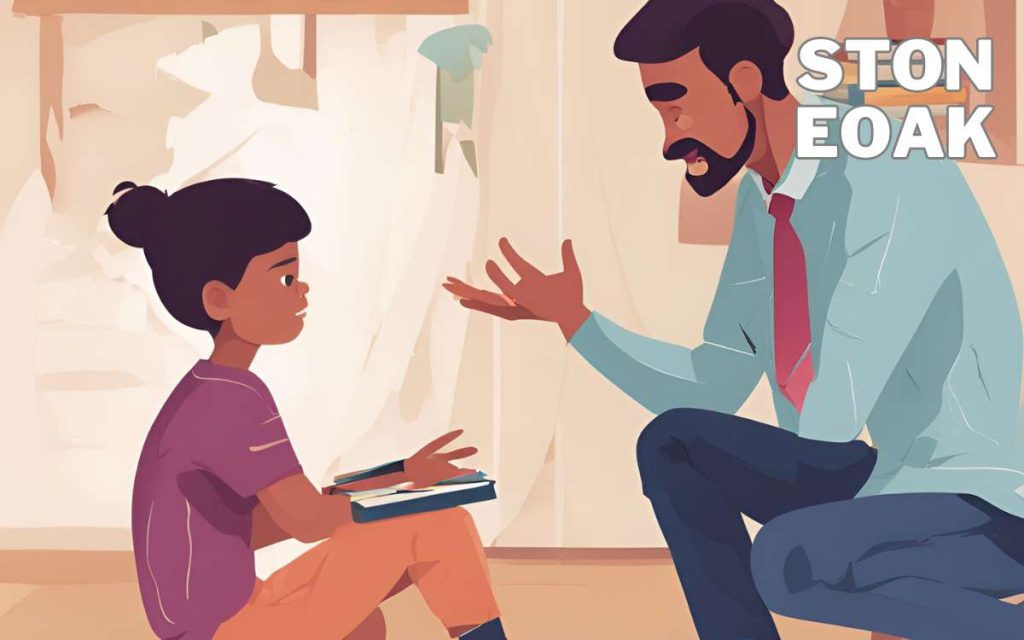
Behavior therapy in child counseling, targeting specific behaviors, utilizing reinforcement techniques, and addressing environmental factors, is conducted by a therapist.
This approach is highly structured and goal-oriented, aiming to modify negative behaviors and reinforce positive ones.
Targets Specific Behaviors
Behavior therapy identifies problematic behaviors such as aggression, defiance, or bullying in adolescents.
By pinpointing these behaviors, therapists can develop tailored interventions to address them effectively.
Utilizes Reinforcement Techniques
The use of punishments for undesired behavior and rewards for desired behavior is a fundamental aspect of behavior therapy.
This technique helps adolescents understand the consequences of their actions while encouraging positive change.
Addresses Environmental Factors
Individual behavior modification, this approach also considers environmental influences such as family dynamics and school settings.
By understanding these factors, therapists can create comprehensive strategies that benefit adolescents’ overall well-being.
Read More: How Do I Know If My Child Needs Counseling?
3. Cognitive therapy

Cognitive therapy in child counseling focuses on altering thought patterns to bring about positive behavioral changes.
By addressing cognitive distortions, this psychotherapy approach helps adolescents recognize and reframe negative or irrational thoughts, leading to improved emotional well-being.
This method emphasizes problem-solving skills, teaching children how to identify and challenge unhelpful thoughts.
Through guided exercises and discussions, therapists assist adolescents in developing healthier thinking patterns that can alleviate anxiety and improve their overall mental state.
For instance, a study published in the Journal of Consulting and Clinical Psychology found that cognitive therapy, therapist, significantly reduced anxiety symptoms in children when compared to other treatment approaches.
This demonstrates the effectiveness of cognitive therapy in addressing anxiety-related concerns among young individuals.
By targeting specific thought processes rather than solely focusing on emotions or behaviors, cognitive therapy equips children with valuable coping mechanisms for managing various challenges they may encounter.
This proactive approach empowers therapist to address underlying issues instead of merely alleviating surface-level symptoms.
4. Humanistic therapy

Humanistic therapy, a widely-used psychotherapy approach, emphasizes empathy and positive regard towards clients.
This approach believes in the innate goodness of people and focuses on self-exploration and growth to help individuals achieve their full potential.
By emphasizing empathy and positive regard, humanistic therapy creates a safe space for clients, including adolescents, to express themselves without fear of judgment or criticism.
This nurturing environment enables clients, including children and families, to explore their thoughts, feelings, and behaviors openly.
Humanistic therapy encourages personal responsibility by empowering clients to take ownership of their actions and choices.
Therapists using this approach guide clients in recognizing that they have the power to make changes in their lives.
This counseling approach is tailored to meet the unique needs of each client as it acknowledges that every individual has different experiences and perspectives.
By focusing on the whole person rather than specific symptoms or issues, humanistic therapy aims at fostering holistic well-being.
Read More: DBT Skills For Teens And Families
5. Parent-child interaction therapy
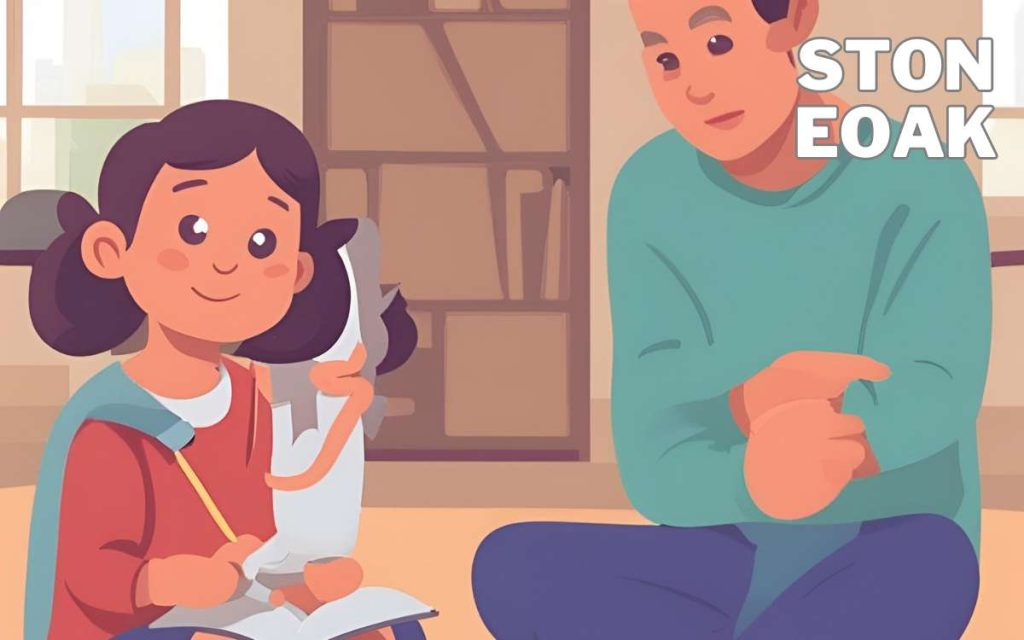
Parent-child interaction therapy focuses on enhancing the relationship between parents and their children, utilizing play and communication strategies to address behavior problems.
This intervention is designed to improve the bond between young children and their caregivers by teaching parents specific skills that promote positive interactions with their children.
By doing so, it aims to reduce negative behaviors in children while simultaneously strengthening the parent-child relationship.
Research has shown that this approach yields significant improvements in both parental stress levels and child behavior issues.
For instance, a study published in the “Journal of Clinical Child & Adolescent Psychology” found that parent-child interaction therapy led to a notable decrease in disruptive behaviors among young children.
This type of therapy has been particularly effective for families dealing with challenges such as attention-deficit/hyperactivity disorder (ADHD), oppositional defiant disorder (ODD), conduct disorder, or child. In these cases, involving parents directly in child therapy can be pivotal for long-term success.
6. Play therapy

Play therapy is a therapeutic approach that utilizes play as a form of communication, allowing children to express their feelings and thoughts in a non-threatening manner.
This method promotes emotional healing by providing a safe space for children to work through their struggles.
- Utilizes play as a form of communication: Play therapy recognizes that children may not have the verbal skills to express themselves effectively, so it uses toys, games, and other creative activities as tools for expression.
- Allows expression of feelings and thoughts: Through play therapy, children can act out scenarios or use toys to symbolize their emotions, enabling them to communicate what they may struggle to articulate verbally.
- Promotes emotional healing: By engaging in playful activities under the guidance of a trained therapist, children can process traumatic experiences such as sexual abuse or family conflict. This fosters emotional healing and resilience.
In one study published in the “International Journal of Play Therapy,” researchers found that after receiving play therapy intervention, child participants showed significant improvements in social skills, self-concept, and overall behavioral adjustment.
According to the American Psychological Association (APA), play therapy has been found effective with various issues including anxiety disorders and developmental challenges among others.
Read More: 15 Different Types Of Child Counselling Techniques
7. Trauma-focused cognitive behavior therapy (TF-CBT)
Trauma-focused cognitive behavior therapy (TF-CBT) is a proven method to address trauma-related symptoms in children.
By integrating cognitive and behavioral techniques, TF-CBT helps young individuals and child therapy process traumatic events effectively.
This approach involves both the child and their caregiver, emphasizing a collaborative effort to support the child’s recovery.
The involvement of caregivers ensures that the child receives consistent support outside of therapy sessions, contributing significantly to the effectiveness of TF-CBT.
Research has shown that TF-CBT is highly effective in reducing post-traumatic stress disorder (PTSD) symptoms in children who have experienced various traumas such as abuse, neglect, or violence.
A study published in “JAMA Psychiatry” found that TF-CBT resulted in significant improvements for children suffering from PTSD compared to other interventions.
This treatment approach, including child therapy, has been found to be beneficial for diverse populations and across different cultural backgrounds.
It can be adapted to suit individual needs while maintaining its core principles, making it a versatile option for addressing trauma-related issues in children.
8. Dialectical behavior therapy
Dialectical Behavior Therapy (DBT) is a vital approach in child counseling, focusing on equipping children with emotion regulation skills to navigate challenging situations effectively.
Through DBT, children learn techniques to manage intense emotions and develop healthier ways of coping with stress.
This therapy is particularly beneficial for addressing self-destructive behaviors commonly seen in children struggling with emotional disorders or conflicts.
By targeting these destructive patterns early on, child therapy and DBT helps prevent the escalation of harmful behaviors and promotes positive mental well-being.
DBT incorporates mindfulness practices as part of its framework, encouraging children to cultivate present-moment awareness and non-judgmental acceptance of their thoughts and feelings.
This aspect aids in enhancing overall emotional resilience and reducing impulsivity among young individuals undergoing child therapy.
9. Applied behavioral analysis
Applied Behavioral Analysis (ABA) is a child counseling approach that focuses on observable behaviors, making it highly effective in addressing specific behavioral issues.
By breaking down complex behaviors into smaller, more manageable components, ABA enables therapists to target and modify individual actions for child therapy.
This technique utilizes reinforcement and consequences for behavior change, creating a structured environment where positive behaviors are rewarded while negative ones are discouraged.
Research has shown that ABA can be particularly beneficial for children with autism spectrum disorder (ASD), as it helps improve communication skills and reduce problematic behaviors.
In clinical assessment, ABA provides valuable insights in child therapy by allowing therapists to track progress through data collection and analysis of behavior patterns over time.
This evidence-based approach ensures that interventions are tailored to the unique needs of each child, leading to more targeted and successful outcomes.
ABA equips children with practical skills that they can apply in various settings such as at home or school.
For instance, it can help child students develop self-management techniques and enhance their social interactions by teaching them appropriate responses in different situations.
10. Group therapy
Group therapy in child counseling provides a platform for peer support and feedback, allowing children to realize that they are not alone in their struggles.
This approach fosters social skills development as children learn to communicate, share, and empathize with others in the group.
Moreover, it offers a sense of belonging as children interact with peers who may be facing similar challenges.
Research has shown that group therapy can be particularly effective for adolescents, child struggling with issues such as anxiety, depression, or behavioral problems.
These benefits, group therapy also allows counselors to observe how children interact within a social setting.
This insight can inform individualized treatment plans tailored to each child’s specific needs. It provides an opportunity for children to practice new skills learned during individual sessions in a real-world context.
11. Acceptance and commitment therapy (ACT)
Acceptance and Commitment Therapy (ACT) in child counseling emphasizes the importance of acknowledging and embracing emotions, fostering a healthy approach to dealing with them.
This approach encourages children to accept their feelings without judgment, promoting emotional resilience.
ACT focuses on guiding children towards actions that are aligned with their values. By doing so, it helps children develop a sense of purpose and direction in life, contributing to their overall well-being.
These principles, mindfulness, acceptance techniques, and child play a crucial role in ACT. Through mindfulness practices, children learn to be present in the moment, gaining awareness of their thoughts and feelings without becoming overwhelmed by them.
By integrating these elements into child counseling sessions, ACT equips children with invaluable skills for managing challenging emotions effectively while staying true to themselves.
For example:
- Research has shown that ACT is effective in reducing anxiety symptoms among children by helping them cultivate psychological flexibility.
- A study published in the “Journal of Contextual Behavioral Science” found that ACT interventions led to significant improvements in psychological functioning among adolescents and children struggling with various mental health issues.
12. Animal-assisted therapy
Animal-assisted therapy integrates animals into the therapeutic process, offering a unique approach to supporting children’s emotional well-being.
The presence of animals has been shown to reduce stress and anxiety in young individuals, providing comfort and support as they navigate their emotions. (child)
Research indicates that animal-assisted therapy can significantly help children with anger management issues by promoting feelings of calmness and relaxation.
Interacting with animals often leads to an increase in the production of oxytocin, a hormone associated with bonding and trust, which can aid in fostering a sense of security for children undergoing counseling.
This form of therapy has been found to be particularly beneficial for children who have experienced trauma or are struggling with behavioral challenges.
By engaging with gentle animals under the guidance of a therapist, kids may find it easier to express themselves and develop coping mechanisms.
13. Art therapy
Art therapy is a form of expressive arts that harnesses the healing power of creative expression for child. It allows children to explore their emotions through art, providing them with a non-verbal outlet for self-expression and communication.
This approach has been proven effective in enhancing self-esteem and self-awareness among adolescents dealing with various mental health challenges.
Through art therapy, children can use different mediums such as painting, drawing, sculpting, or collage-making to convey their feelings and experiences.
This process not only aids in managing stress but also helps in processing grief or loss. By engaging in artistic activities, children can develop coping mechanisms while gaining insights into their own thoughts and emotions.
Studies have shown that art therapy significantly contributes to the overall well-being of young individuals, promoting emotional resilience and psychological growth in children.
It provides an avenue for them to externalize internal conflicts and find constructive ways to manage their mental health concerns.
In practice, art therapy sessions often involve the use of specific prompts or worksheets tailored to address particular issues faced by the child.
These exercises are designed to encourage reflection and facilitate discussions about the artwork created by the child.
14. Dance-movement therapy
Dance-movement therapy integrates movement into the therapeutic process, allowing children to express themselves non-verbally.
This approach is particularly beneficial for children who struggle with verbal expression or have experienced trauma.
By using dance and movement, children can tap into their emotions and release pent-up feelings in a safe and creative manner.
Research has shown that this form of therapy can lead to improvements in mood, self-esteem, and overall well-being.
Furthermore, dance-movement therapy enhances body awareness, helping children connect with their physical sensations and gain a deeper understanding of their emotions.
It encourages mindfulness and helps children develop coping mechanisms for managing stress and anxiety.
Emotional benefits, this approach also promotes physical health by encouraging exercise through enjoyable activities like dancing.
The combination of physical activity with emotional expression can be especially effective in addressing behavioral issues among children.
15. Eye movement desensitization and reprocessing (EMDR)
Eye movement desensitization and reprocessing (EMDR) is a therapeutic approach that targets traumatic memories using bilateral stimulation, such as side-to-side eye movements or hand tapping.
This technique facilitates the processing of distressing experiences by helping individuals access and process difficult emotions in a safe environment.
By engaging in bilateral stimulation while recalling distressing memories, EMDR aims to reduce the impact of past trauma on an individual’s current mental health conditions.
Through this process, the therapy helps individuals, including children, reprocess their traumatic experiences, leading to a decrease in emotional distress and an improvement in overall well-being.
Research has shown that EMDR can be effective for various mental health conditions, including post-traumatic stress disorder (PTSD), anxiety disorders, depression, and phobias.
Studies have indicated its effectiveness in reducing symptoms related to exposure to trauma in child.
For example, a study published in the Journal of Clinical Psychology demonstrated that 84%-90% of single-trauma victims no longer had PTSD after only three 90-minute sessions.
Approximately 100,000 clinicians around the world use EMDR as part of their treatment approaches for addressing trauma-related issues.
Summary
Each approach offers unique methods and techniques tailored to address specific issues children may face.
From psychodynamic therapy to eye movement desensitization and reprocessing (EMDR), these diverse approaches provide a range of options for therapists to effectively support children’s mental health.
Understanding these treatment approaches can help parents, educators, and caregivers make informed decisions when seeking professional help for children.
By recognizing the variety of therapeutic options available, individuals can better advocate for the specific needs of the children in their care.
Whether it’s through play therapy, art therapy, or cognitive therapy, being aware of these approaches empowers adults to take proactive steps in promoting the well-being of the children they support.
Related posts:
 Can Child Psychologist Diagnose Autism: Unveiling Truths
 What to Do If Your Child Refuses Therapy: Proven Strategies
 Why is Child Centred Practice Important: Key Benefits
 What is the Difference: Child Psychology vs. Child Development
 Best Child Therapist for Anxiety near Me: Top Picks!
 Child Psychologist Vs Neuropsychologist: Key Differences


