
15 Challenges faced in Child Counseling
Child counseling encounters 15 key challenges, including engagement difficulties, communication barriers, family dynamics, and cultural considerations.
Child counseling is a complex field that requires addressing numerous challenges to provide effective support.
Engaging children in therapy can be difficult due to their varying developmental stages and reluctance to participate.
Communication barriers arise as children may struggle to articulate their thoughts and feelings.
Family dynamics can complicate the therapeutic process, especially when there is resistance or lack of support from family members.
Cultural considerations must be taken into account to ensure that counseling approaches are respectful and relevant to the child’s background.
Contact us today to unlock personalized solutions tailored just for you.

There are 15 challenges that can significantly impact the effectiveness of the process.
From building trust and rapport to addressing sensitive topics, each hurdle requires a unique approach for successful navigation using techniques and empathy.
As we explore these challenges in child counseling, it’s essential to recognize their historical context within the field.
Understanding how mental health issues have evolved over time provides valuable perspective and informs our techniques for overcoming them in today’s dynamic social and psychological landscape.
Read More: Child Counseling
Recognizing Signs Your Child May Need Counseling

Sudden Changes
Children may display sudden changes in behavior or mood, signaling a need for counseling.
For instance, if a typically outgoing young child becomes withdrawn and irritable, it could indicate underlying mental health issues.
These sudden shifts might stem from mental health difficulties that the child finds challenging to express openly.
These signs can be subtle and easily missed by parents or guardians. It’s crucial to observe any unusual behaviors and address them promptly.
If your primary school child suddenly starts avoiding activities they once enjoyed or isolates themselves more than usual, it might be time to consider seeking counseling or mental health professional help.
Coping with Stress
Difficulty coping with stress or trauma is another common challenge for children that necessitates counseling intervention.
When faced with overwhelming circumstances such as parental divorce, bullying at school, or loss of a loved one, children often struggle to process these events independently.
As a parent or guardian, it’s important to provide support while also recognizing when professional assistance, child counseling, is needed.
Counseling can equip children with effective coping mechanisms and strategies to navigate through challenging mental health issues successfully.
I remember when my younger sister went through mental health issues after our family moved to a new city.
She found it hard to adjust and her grades started declining significantly. After seeking child counseling support, she gradually regained her mental health and academic performance improved.
Academic Performance
A noticeable decline in academic performance can also signify that a child requires counseling services.
While various factors can contribute to this decline, including mental health issues or attention issues, emotional struggles are often an overlooked aspect impacting academic success.
When addressing academic challenges in children, it’s essential not only to focus on improving grades but also on understanding the underlying emotional factors contributing to the decline.
By addressing these emotional hurdles through counseling sessions tailored for children’s mental health needs specifically, overall improvement in academic performance becomes achievable.
Read More: How Do I Know If My Child Needs Counseling?
Understanding Different Child Counseling Techniques
Play Therapy
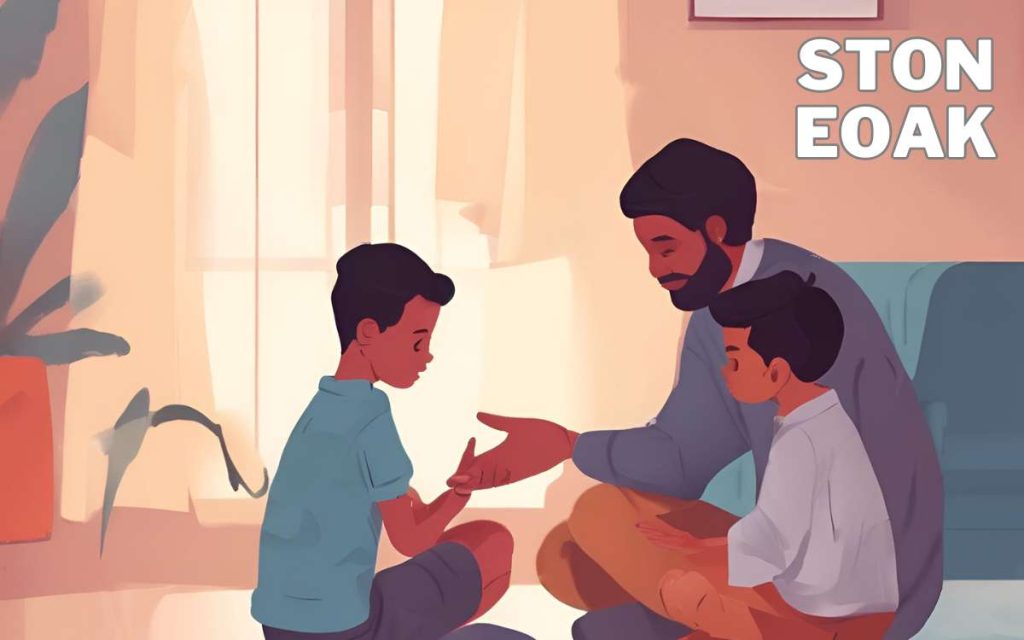
Play therapy is a common technique used for younger children in counseling. It involves using toys and games to help children express their thoughts and emotions.
Through play, therapists can observe the child's behavior, identify patterns, and understand their mental health concerns without directly asking them questions.
This approach allows children with mental health issues to communicate in a way that feels natural to them, making it easier for therapists to gain insights into their inner world.
For example, if a child consistently builds tall structures with blocks only to knock them down aggressively, it might indicate feelings of frustration or lack of control.
Play therapy creates a safe space where kids feel comfortable sharing their experiences without feeling pressured or judged.
This helps build trust between the therapist and the child while facilitating mental health and emotional healing.
Cognitive-Behavioral Therapy (CBT)
For older kids and teenagers dealing with various challenges such as anxiety or depression, cognitive-behavioral therapy (CBT) and child counseling is often utilized.
This technique focuses on identifying negative thought patterns and behaviors then replacing them with healthier ones through practical strategies like journaling or relaxation exercises.
In CBT sessions, counselors work with young individuals to recognize how their thoughts influence their emotions, behaviors, and health.
By doing so, they equip them with tools to manage stressors effectively while fostering resilience against future difficulties and promoting health.
cognitive-behavioral therapy encourages adolescents to develop problem-solving skills that empower them not only during counseling but also in everyday life situations such as school conflicts, peer pressure, and health.
Art and Music Therapy
Art and music therapies are expressive outlets commonly employed in child counseling settings.
These techniques allow children who may struggle with verbal expression an opportunity to convey their feelings through creative activities like drawing pictures or playing musical instruments.
By engaging in art-making processes or creating music compositions during sessions, young individuals can externalize internal struggles which could be challenging for them to articulate verbally alone.
Art provides tangible representations of complex emotions; therefore,, allowing therapists insight into what cannot be easily expressed verbally by thechild.
Read More: DBT Skills For Teens And Families
Navigating Pediatric Psychology and Its Complexities

Addressing Developmental Disorders and Disabilities
Child counseling often involves addressing developmental disorders and disabilities.
These challenges can range from autism spectrum disorder to attention-deficit/hyperactivity disorder.
Each child may require a tailored approach to address their specific needs, making it crucial for pediatric psychologists to have a deep understanding of these conditions.
Understanding the unique characteristics of each developmental disorder is essential in providing effective support.
For instance, children with autism spectrum disorder may benefit from structured routines and visual aids to help them navigate daily activities.
Meanwhile, those with ADHD might require strategies to manage impulsivity and improve focus.
Understanding Family Dynamics and Their Impact
Another significant challenge in child counseling is comprehending family dynamics and how they influence a child's mental health.
A child’s environment plays a pivotal role in their emotional well-being, making it imperative for pediatric psychologists to assess family dynamics thoroughly.
When working with families, it’s vital for counselors to consider the impact of parental relationships, sibling interactions, and overall family structure on the child’s psychological development.
By gaining insights into these dynamics, counselors can devise interventions that promote healthy family interactions while supporting the child’s mental wellness.
I’ve found that involving parents or guardians in therapy sessions can be beneficial as it allows them to gain valuable skills for supporting their child outside of counseling sessions.
Recognizing the Role of Genetics in Mental Health
Recognizing the role of genetics in mental health is crucial when addressing challenges faced during child counseling sessions.
Many cases show that certain mental health conditions have a genetic component which influences an individual’s susceptibility.
For example, if there’s a history of anxiety disorders or depression within a family, children might be more predisposed to developing similar conditions due to genetic factors.
This knowledge enables pediatric psychologists to provide targeted support by considering both biological predispositions and environmental influences when devising treatment plans.
In my experience as a pediatric psychologist, I’ve encountered numerous cases where understanding genetic predispositions has been instrumental in tailoring effective intervention strategies for children facing mental health challenges.
Read More: 15 Different Types Of Child Counselling Techniques
Addressing Mental Health Issues in School-Aged Children

Anxiety and School Refusal
Anxiety in children can manifest as school refusal, where a child experiences extreme distress about attending school.
This can be due to separation anxiety, social anxiety, or general worry about academic performance.
Children may exhibit physical symptoms like stomachaches or headaches when faced with going to school due to anxiety. Moreover, they may become excessively clingy to their parents or caregivers.
Addressing this challenge involves creating a supportive environment for the child at home and school.
Encouraging open communication and expressing understanding towards the child’s fears is crucial.
Implementing relaxation techniques such as deep breathing exercises can help alleviate anxiety symptoms.
I’ve found that educating both parents and teachers about anxiety disorders in children can lead to more effective collaboration in providing support for the child.
ADHD and Learning Challenges
Children with ADHD often face significant difficulties related to attention span, impulse control, and hyperactivity which impact their learning abilities.
These challenges can result in poor academic performance and frustration for both the child and those around them.
In counseling sessions, it’s important to employ strategies tailored specifically for children with ADHD such as breaking tasks into smaller steps or using visual aids to enhance focus.
Providing positive reinforcement for small achievements is also beneficial in boosting self-esteem.
Sharing practical tips on how parents can create structured routines at home has been instrumental during my counseling sessions dealing with ADHD-affected children.
Bullying and Peer Pressure Effects
The effects of bullying on a child’s mental health are profound; it can lead to low self-esteem, depression, increased stress levels, and even suicidal ideation if left unaddressed.
Similarly, peer pressure plays a pivotal role in influencing a child’s behavior – sometimes leading them down negative paths including substance abuse or risky behaviors.
Counseling interventions aim at empowering children by teaching coping mechanisms against bullying behaviors while fostering assertiveness skills that enable them to resist negative peer pressure effectively.
Tackling Teen Substance Abuse and Relationship Dynamics

Recognizing Substance Abuse Warning Signs
As a counselor working with adolescents, it’s crucial to be familiar with the substance abuse warning signs.
These may include changes in behavior, sudden mood swings, declining academic performance, and withdrawal from family and friends.
Physical signs such as bloodshot eyes or unexplained injuries can also indicate substance abuse.
It’s essential to create a safe space for teenagers to express their emotions and talk about their struggles without fear of judgment.
By showing empathy and understanding, counselors can help teens open up about their experiences with substance abuse.
For example, I’ve found that using relatable examples from popular media like movies or books can help them feel more comfortable sharing their feelings.
Navigating Conflicts with Parents and Peers
When dealing with adolescents facing substance abuse challenges, conflicts with parents and peers are common.
Counselors need to equip these young individuals with effective communication skills to navigate these challenging relationships.
Teaching them how to express their feelings assertively while respecting others’ perspectives is vital for resolving conflicts peacefully.
Encouraging teens to set realistic goals for improving communication within their relationships can be immensely beneficial.
By setting achievable objectives such as having an open conversation with a parent about their struggles or addressing a conflict directly with a peer, they gain a sense of control over the situation.
Building Healthy Relationship Skills
Helping teenagers build healthy relationship skills involves teaching them how to recognize unhealthy dynamics such as bullying or manipulation in friendships or romantic relationships.
It’s important for counselors to emphasize the importance of boundaries and assertiveness when faced with negative peer interactions.
One effective strategy is encouraging adolescents to practice active listening during conflicts by repeating what the other person has said before responding themselves.
This fosters mutual understanding while preventing misunderstandings that often lead to escalated arguments.
Exploring the Importance and Benefits of Child Counseling

Importance of Child Counseling
Child counseling plays a crucial role in addressing the unique challenges that children face. It provides a safe space for them to express their emotions and work through difficult experiences.
By offering a supportive environment, counseling helps children develop coping strategies and build resilience.
Childhood can be tumultuous, filled with various stressors such as academic pressure, family dynamics, and social relationships.
Through counseling, children can learn how to navigate these challenges effectively. This early intervention equips them with valuable skills that they can carry into adulthood.
Benefits of Child Counseling
One of the positive things about child counseling is its ability to foster emotional resilience and self-awareness in young individuals.
By engaging in therapeutic conversations, children gain a deeper understanding of their thoughts and feelings. This self-awareness empowers them to make healthier choices and manage their emotions more effectively.
Moreover, child counseling offers rewards beyond immediate problem-solving by instilling long-term coping mechanisms.
When children learn how to process their emotions constructively at an early age, they are better prepared to handle life’s inevitable obstacles later on.
I remember when I was younger; I found solace in speaking openly during my counseling sessions after going through some tough times at school.
The guidance from my counsellor helped me develop practical coping strategies that have stayed with me throughout adulthood.
Finding the Right Child Counsellor for Your Family
Specialized Training
Finding the right child counselor can be challenging, but seeking someone with specialized training in child psychology is crucial.
A counselor who has undergone specific education and training focused on understanding children's emotions, behaviors, and development will be better equipped to address your child's needs effectively.
It’s important to look for a counselor who not only holds a degree in psychology or counseling but also has additional certifications or specialized training related to working with children.
For example, they may have completed courses or workshops specifically tailored to addressing childhood trauma, anxiety disorders, or developmental issues.
This expertise ensures that the counselor understands the unique challenges children face and can provide appropriate support.
When I was looking for a child counselor for my family, I made sure to inquire about the professional’s educational background and any additional certifications related to child psychology.
This helped me feel confident that I was choosing someone with the right expertise to help my child.
Comfortable Rapport
Establishing a comfortable rapport between your child and the counselor is essential for successful therapy sessions.
Look for a professional who knows how to build trust with young clients by creating an environment where they feel safe expressing their thoughts and emotions without judgment.
A skilled child counselor should possess excellent communication skills that enable them to connect with children on their level.
They should be able to engage in age-appropriate conversations while being empathetic and supportive throughout the counseling process.
During my search for a suitable therapist for my own family, I paid close attention to how each potential candidate interacted with my child during our initial meetings.
Observing these interactions allowed me to gauge whether there was genuine warmth and understanding between them—a crucial factor in ensuring effective counseling sessions.
Counselor’s Approach
Considering the counselor's approach and philosophy towards working with children is another vital aspect of finding the right fit for your family.
Different counselors may adopt various therapeutic approaches such as play therapy, cognitive-behavioral therapy (CBT), art therapy, or narrative therapy when working with young clients.
I found it helpful when researching potential counselors’ approaches before making a decision because it gave me insight into how they would engage with my child during sessions based on their individual needs.
For instance, if your child responds well to creative activities like drawing or storytelling, you might seek out a therapist who specializes in art or narrative therapy techniques.
Weighing the Pros and Cons of Being a Child Psychologist
Fulfilling Impact on Young Lives
Working as a child psychologist can be incredibly fulfilling. Witnessing the positive impact of your work on young lives is immensely rewarding.
Helping children navigate through their emotions and challenges can bring a sense of purpose and accomplishment.
It’s important to acknowledge that working with children who are struggling emotionally or psychologically can also take an emotional toll.
It’s not uncommon for child psychologists to feel deeply affected by the stories and experiences shared by their young clients. The weight of these struggles can sometimes linger long after the counseling session has ended.
I remember feeling both fulfilled and emotionally drained when I first started my career as a child psychologist.
Seeing progress in my young clients was incredibly rewarding, but I also found myself carrying their emotional burdens outside of work.
Emotional Toll of Dealing with Children’s Struggles
One significant challenge faced in child counseling is finding ways to manage the emotional impact of dealing with children’s struggles.
It requires developing coping mechanisms to prevent burnout and maintain personal well-being while providing effective care for young clients.
Balancing administrative tasks with client care is another common challenge faced by child psychologists. While helping children address their psychological needs is at the core of this profession, there are numerous administrative tasks that demand attention.
These may include maintaining detailed records, conducting assessments, collaborating with other professionals involved in a child’s care, and staying updated on best practices within the field.
Managing these responsibilities, it’s crucial for child psychologists to allocate sufficient time for self-care so they can continue delivering high-quality support to their clients effectively.
When I first began practicing as a child psychologist, I struggled with balancing administrative duties alongside providing meaningful client care.
Over time, I learned effective organizational strategies that helped me streamline administrative tasks without compromising the quality of care provided to my young clients.
Utilizing Child Therapy Worksheets and Activities
Encouraging Self-Reflection
Child therapy worksheets and activities are great ways to encourage self-reflection in young clients.
These resources prompt children to express their thoughts and feelings through various exercises, such as drawing or writing about their emotions.
For example, a worksheet may feature prompts like “How do you feel today?” or “What makes you happy/sad/angry?” This allows kids to reflect on their emotions in a safe and structured manner.
Engaging with the child’s inner world through these activities can provide valuable insights for therapists.
By utilizing worksheets that ask open-ended questions or incorporate creative elements, therapists can gain a deeper understanding of the child’s emotional state.
It also helps build trust between the therapist and the client by creating a space where children feel comfortable sharing their thoughts.
I find that using worksheets with simple yet thought-provoking prompts often encourages children to open up more during sessions.
The act of filling out these sheets provides tangible evidence of progress over time, which is especially rewarding for both the child and myself as the therapist.
Emotional Regulation and Communication Skills
Therapy worksheets play an essential role in helping young clients develop emotional regulation and communication skills.
Through exercises focused on identifying emotions, coping strategies, or conflict resolution scenarios, children learn how to recognize and manage their feelings effectively.
For instance, using emotion wheels or charts can help kids pinpoint specific emotions they may struggle to verbalize.
By providing clear instructions along with relatable examples on these handouts, therapists assist children in learning healthy ways to communicate when dealing with challenging situations at home or school.
Incorporating CBT (cognitive-behavioral therapy) techniques into these activities further enhances their effectiveness in addressing emotional regulation issues.
In my experience working with young clients, I’ve witnessed significant improvements in emotional awareness and communication skills after consistently integrating such worksheets into therapy sessions.
Children often report feeling more equipped to express themselves constructively following regular engagement with these resources.
Incorporating Creative Arts
Integrating creative arts into therapy sessions offers fun yet impactful avenues for expression among young clients.
Art-based activities like drawing, painting, or sculpting allow children to externalize complex emotions that they might find difficult to articulate verbally.
Engaging in artistic endeavors fosters creativity while serving as an outlet for stress relief.
By encouraging kids to create art pieces representing their feelings or experiences during counseling sessions, therapists enable them to explore subconscious thoughts without feeling pressured by direct questioning—a technique particularly beneficial for introverted individuals who may struggle with verbal expression.
Utilizing creative arts has been instrumental in establishing rapport with many of my younger clients who initially found it challenging to engage openly during traditional talk-based therapies alone.
Final Remarks
So, as I wrap up this journey through the complexities of child counseling, it’s clear that recognizing the signs, understanding different techniques, and addressing mental health issues are just the tip of the iceberg.
Navigating through these challenges requires patience, empathy, and a deep understanding of each child’s unique situation. It’s like being a detective, uncovering clues to help guide them towards healing and growth.
If you’re a parent or caregiver, don’t hesitate to seek professional help if you notice any concerning signs in your child.
And if you’re considering a career in child psychology, remember that it’s not just about the challenges; it’s about making a positive impact on young lives.
Related posts:
 What is the Difference between Child Psychology and Psychiatry: Unveiled
 Why is Child Centred Practice Important: Key Benefits
 What is the Difference: Child Psychology vs. Child Development
 Best Child Therapist for Anxiety near Me: Top Picks!
 Child Psychologist Vs Neuropsychologist: Key Differences
 How to Get a Child to Go to Therapy: Gentle Strategies


